An Average Jane in Pursuit of Health
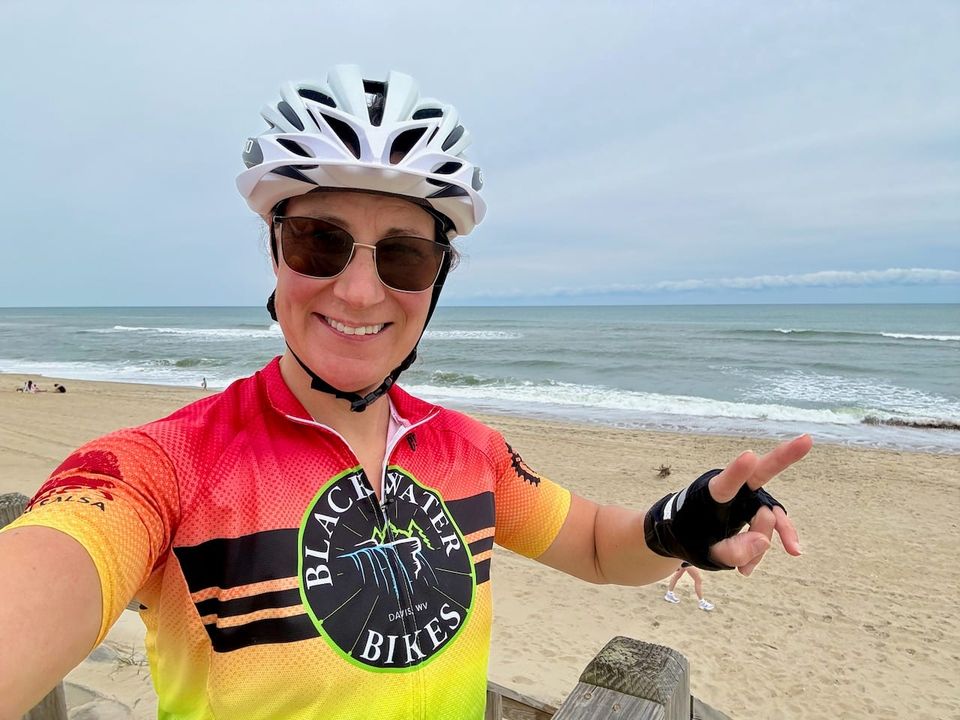
2025 was just one of those years for me. The March and April bike accidents took their toll on my mind, my confidence, and, of course, my body. I had to set my third Leadville 100 attempt aside and focus on healing of what was damaged: not just physical tissues injured by the accidents, but my broken heart and cluttered mind after the decade of stress preceding. Caregiving, grief, professional burnout, and then training each added their own weight onto the scales of my life. The balance was not in my favor.
I’m not sure why it takes trauma to wake us up, maybe because we are such adaptive creatures that almost anything can become “normal.” Feeling exhausted, overwhelmed, angry, or disappointed all the time can become the operational baseline without even realizing it.
“Hello Darkness, my old friend…I’ve come to talk with you again.” - Simon & Garfunkel.
That line always strikes a chord deep within, and yet I’ve recently realized that my conversations with darkness are becoming fewer, and the intensity has softened.
I don’t mean to imply that I’ve developed some perpetually cheery persona, or some zen-like demeanor. Just ask Bill. But the months focused on recovery allowed me to slow down and reflect on a different way of life, question what had become normal to me, and decide I want something different.
I’ll share my realizations here, just as I share any tips about riding or racing. They all come at the price of my mistakes and reflect my personal experience. You may find something in here that speaks to you, or you just might be entertained by a middle-aged lady spilling her guts on the internet. Whatever the case, here’s a peek behind the curtain on how I’ve chosen to confront myself and make some changes.
Choosing Gratitude
Sitting on the couch last spring in the only comfortable position I could find, facing a month off the bike and watching Leadville 2025 circle the drain, it was easy for me to fall into a pretty dark place. Even walking my dogs was out of the question.
I have a stubborn tendency to avoid focusing on the “good.” It allows me to wallow in the comfort of self-pity, even though I try to justify it by saying it helps me prepare for the worst. Spend enough time in this mindset—worrying about the worst that could happen—and it will.
I am learning instead to find gratitude not only in what I currently have but also in the future joys I seek. For example, I have an awesome twin sister who came down to help when I could barely walk, a supportive partner who has never asked me to quit riding despite all the emergency room visits (three in the span of one year if you count the dog bites), and three adorable labradors that are always happy to see me and harbor nothing but love. I live in a beautiful house surrounded by a magnificent network of trails with plenty of friends to ride them with. I can put healthy food on the table for every meal.
But what about future goals? Those days sitting on the couch, all I wanted to do was ride. I knew the injury could’ve been much worse, and there are plenty of people who face months of recovery for much more serious injuries or illnesses. Perspective is powerful, but even more so was the feeling of gratitude for what was to come: the first ride back, the opportunity to train again, the thought of Leadville 2026. Meditating on those future realities and feeling the joy before they happened created a feedback loop of positive energy and no doubt contributed to my healing.
Finding Meditation
I’ve never been good at it. I couldn’t sit still long enough, and my mind constantly wanders (and wonders). I start thinking about lunch, or my next ride, or the work project ramping up. So when I had nothing to do but sit, I thought I’d give mediation another try.
Meditation comes in many forms, and there are a zillion apps, videos, articles, methods, and, lord knows, gurus. Whatever works for you is all that matters.
As I was sitting in stillness, I was able to engage past wounds and traumas for the purpose of healing rather than rumination and spiraling. I felt like I was sweeping out the dust, opening the windows, letting in the light of life.
Meditation has become a daily practice, often in the morning and evening. I credit it with allowing me to move quickly past the depression that set in after the second accident, and allowing me to re-frame what happened as an opportunity rather than a crime against my perfectly good life. As I watched Leadville 2025 unfold live on TV last August, I felt a calm joy in my heart for every racer. I smiled in gratitude for the kinship of shared experience. There wasn’t a note of sadness or envy or lack. I’m not sure I would’ve believed that was possible a year before.
Pursuit of Health
My mother was the queen of quotes. She had them tacked up everywhere to encourage her and to anchor her anxious mind and troubled heart in the positive. “Health is Wealth” was one of her favorites. Only as we start to lose health can we fully appreciate the significance of that statement.
So, as I have spent the last six years slowly building my endurance, I’ve had to evaluate many habits and life choices. Was I losing sight of health in the pursuit of fitness?
Balancing Training
Training stress, while often seen as positive, still exacts a toll on the body. There is a fine line between building strength and adaptations and doing damage. Anyone serious about training has likely fallen victim to overtraining. It’s hard not to when you love what you do. That said, the telltale signs of fatigue, poor sleep, grumpiness, reduced performance, and yes, injury, present themselves handily if you choose to see them.
As I healed and made my way back onto the bike last spring and summer, I let any formal, structured “training” take a back seat to simply enjoying the ride. I still recorded my rides —I simply dig data. I also worked hard to be consistent. But I let go of any expectations about how many hours, miles, watts, or heartbeats I needed for the week. This method confirmed what I suspected: regardless of the injuries and setbacks, I love riding bikes. I will ride until I die, hopefully many decades from now.
It took me a while, but I finally built out a training calendar. I want to avoid both overtraining and undertraining. I am focusing on even greater consistency and rediscovering what motivates me to get on the bike‚ indoor or out, and working hard to listen to my body and take a break when I need to.
Fortifying Nutrition
In November of 2025, I made a pact with myself to greatly reduce ultra-processed food. There wasn't a ton of that type of food in my diet, but boy, did I love my Snickers bar and Fritos after a race. As an endurance athlete, carbohydrates are a pillar of my diet. And even if I weren’t training, I’d still want to eat my fruits and veggies. And oatmeal. But I decided to control where the sugar comes from. This means adding my own maple syrup or honey to a dish instead of using prepackaged foods that add far more sugar than necessary.
To be fair, my “ride” food is the most processed stuff I eat. And it’s for good reason. There is an ironic need to ditch most healthy food concepts when training or racing. For instance, fiber, fat, and protein all slow down the absorption of carbohydrates and sugar—a good thing for us, most of the time. This is exactly the opposite of what I want on the bike when I’m aiming for 60-90 grams of carbs per hour during a hard effort. Imagine wolfing down three bananas an hour. So out come the Honey Stinger waffles and gels. On slower-paced endurance rides or social rides, I’ll pack some dates and nuts and a little dark chocolate.
I’ve also eschewed gluten on and off for the last year. It seems to reduce inflammation in my joints and gut, and honestly, it helps keep me from eating as many baked goods as I’d like. I have reduced most gluten-free processed goods as they are also full of sugar and refined carbs. Instead, I focus on getting my fiber from whole fruits, veggies, and grains like oats, brown rice, and quinoa. I still have my favorite corn chips pre and post-ride, though, I am only human!
Prioritizing Sleep
“Don’t Die” longevity pioneer and self-imposed lab rat Bryan Johnson coined the term “professional sleeper". The idea is that we value our clients' or coworkers’ time enough not to be late to meetings; why don’t we value our bedtime the same way? Sacrificing sleep is often held up as a badge of honor, and I have worn it over the years for many reasons, primarily due to school, work, and caregiving. But as the sleep struggle has taken hold, likely due to my age, I have decided to spend much more energy on this topic. Quality sleep is better than any performance-enhancing drug. It is vital for recovery, metabolism, cognition, performance, and more.
Bryan doesn’t eat 10 hours before bedtime, just for some perspective. I’m aiming for three hours and doing my best to keep my bedtime consistent every night. It’s tough, really tough. Travel, races, holidays, and the randomness of life can get in the way. But with a bit of planning, this one technique can make a huge difference. I don’t have a young child or a puppy to care for. But I do have a thirteen-year-old dog that wakes me up at 5 am every morning. So yes, my bedtime revolves around that simple fact. Keeping the room cool and dark is a huge boost. And since our pack insists on sleeping in the same room, earplugs go a long way toward reducing canine-induced wake-ups.
Ditching Alcohol
I’ll save the best for last.
I haven’t had a drink since June 1, 2022. It wasn't intentional; I didn’t plan a “Dry June.” I also didn’t end up in a ditch, homeless, or get slapped with a DUI. I didn’t wake up and open a Bud Light or empty a bottle of whiskey, or whatever other stereotype that might get conjured when you meet someone who says, “I don’t drink.”
I simply decided alcohol wasn’t doing me any favors. I was a one-beer-a-day girl, then a couple/few on the weekends. But, for me, even that was too much. It made me sluggish, contributed to depression, anxiety, weight gain, and disrupted my sleep. I knew if I continued that lifestyle, other health markers would start to reveal the toll. There is a longer story, of course, and I’ll save that for another day. But I have found that this one change has created the most significant difference in my daily life. I no longer crave a drink at 6 pm or feel the need for one after a ride. I don’t have to worry about whether I had too much after a party to drive home. I save money to spend on vitamins or bike tires. I don’t wake up and waste a day nursing a hangover, and then wrestle with the regret that follows. I am no longer numbing myself and denying my grief, building up a colossal dam that will burst at the most inconvenient time possible.
Once I started looking further into it, I learned that the World Health Organization has classified alcohol as a Group 1 carcinogen, linking it to at least seven types of cancer, including breast, colon, liver, and esophageal cancer. They don’t even agree with the “one drink a day” recommendation. They claim there is no safe level of consumption.
We all pick our poison. I have a sweet tooth and indulge plenty. Training stresses my body, and mountain biking can be considered a dangerous sport. That said, I don’t see myself ever going back to alcohol. I’d rather eat an extra cookie.
So what does all this mean for Leadville 2026?
Given my focus on healing and recovery last year, I chose to defer my entry for the 2025 Leadville MTB Trail 100. I had one year to use the entry and pay half price. So, in November 2025, when the window opened, I signed up for 2026. I was unsure at the time whether this was the best choice given my new goal of optimal health. I took the risk of spending a few hundred dollars and deciding later that I needed to let go of the buckle. But within a few days, I knew I’d made the right choice, for me, in this moment. I am incredibly excited about the training process, the fitness gains, and the accountability that comes with it all. My brain enjoys solving all the problems that an Average Jane faces when taking on such a demanding event. I love how the goal focuses my energy, encourages healthy routines, and brings me joy, both in the preparation for and during the race.
I look back over the last six years since I first set this goal in May of 2020. Initially, I had many obstacles to training, and I’ve had my share of setbacks along the way. I’ve spent long, gut-twisting nights of self-doubt alone in a van at 10,200 feet after a lonely day of pedaling in the dry heat of Colorado’s summer. I’ve had to learn how to eat and drink on and off the bike, how to keep my ass from chafing and my bladder from exploding. I’ve had to push through laziness to get in a training ride, and give myself grace when I needed a day off. I’ve had to learn how to seat tires and (sort of) fix derailleurs. I’ve experienced too many aching muscles, dog bites, and stupid crashes to give up now. Leadville is still calling me, and I must go.
August 15, 2026, is race day. Stay tuned.
The Victory Lap is a labor of love. Every reader counts. If you enjoy following my mis/adventures, please subscribe and share with a friend. Thank you!
Member discussion